Why FoCal

Have you tuned your lenses to your camera?

If you haven’t, you’re probably not getting the sharpest shots your kit can take. Here’s why, what it means for your camera, and how FoCal helps.

You are the first person to put your lens on your camera.

Your camera and each of your lenses were adjusted at the factory, separately. Until you put the lens on the camera, they had never been used together, and nobody has tuned them as a pair.

They have probably been used since, too: lenses get knocked, drift and wear, usually gradually. FoCal measures how your camera and each lens actually focus together, and tunes the autofocus to match.

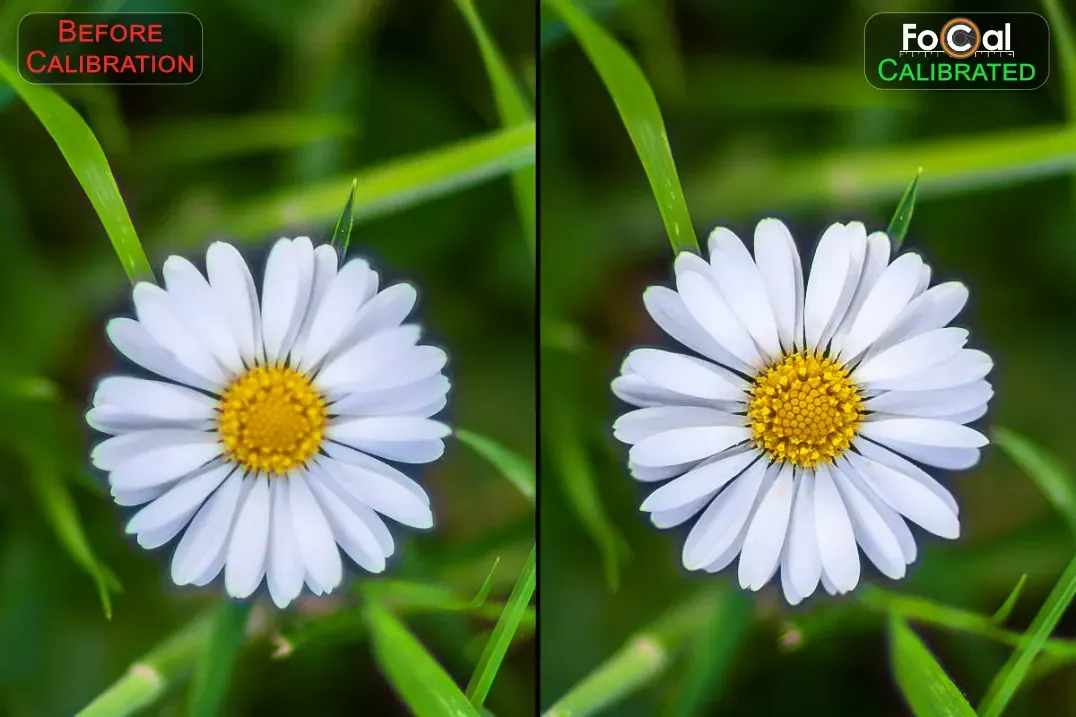
The same flower photographed twice: softer before calibration on the left, crisper after FoCal calibration on the right.
Before and after calibration with FoCal.
DSLR cameras

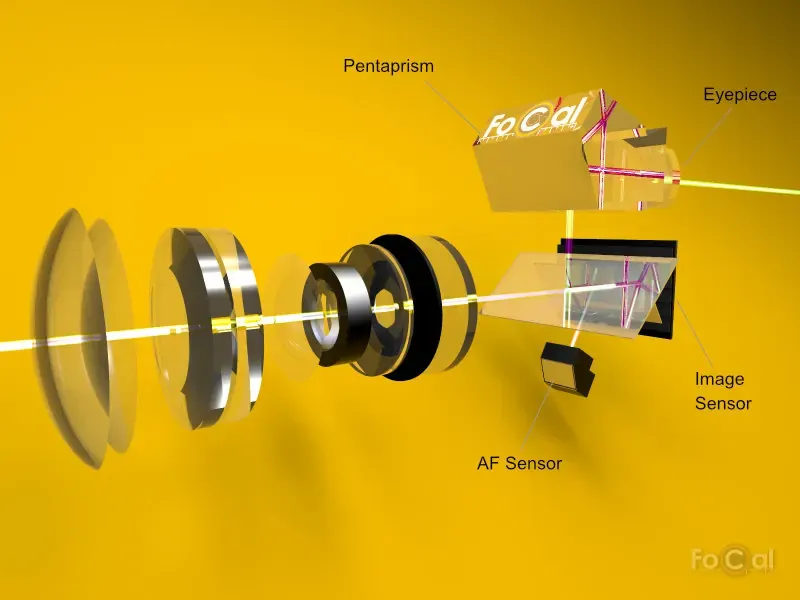
A DSLR focuses with one sensor and takes the picture with another.

The autofocus sensor sits in the bottom of the camera and works out how far to move the lens. The picture is taken by the image sensor at the back. Tiny differences in where those two sit, and in how each lens behaves, mean the camera can focus slightly in front of or behind where you aimed.

That’s exactly what AF Fine-Tune (Nikon) and AF Microadjustment (Canon) are for, and what FoCal sets for you: it measures each lens on your camera and works out the value that gives the sharpest result.

FoCal IQ, built from results uploaded by FoCal users, shows how common it is: 86% of lenses on Nikon DSLRs and 79% on Canon DSLRs would improve noticeably or significantly with calibration.

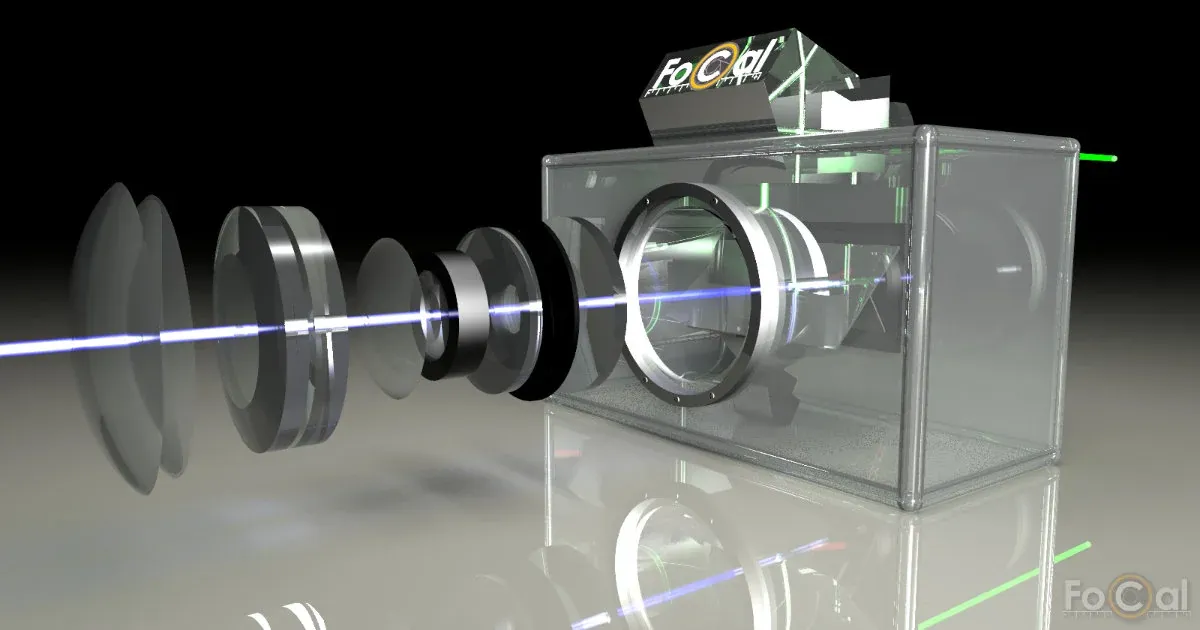
Cut-away diagram of a DSLR and lens: light reaches the separate AF sensor at the bottom of the camera, while the image sensor sits at the back.
Inside a DSLR: the AF sensor (bottom) is separate from the image sensor (back).
Mirrorless cameras

Mirrorless cameras need it too.

Less often than DSLRs, but FoCal IQ shows they still do.

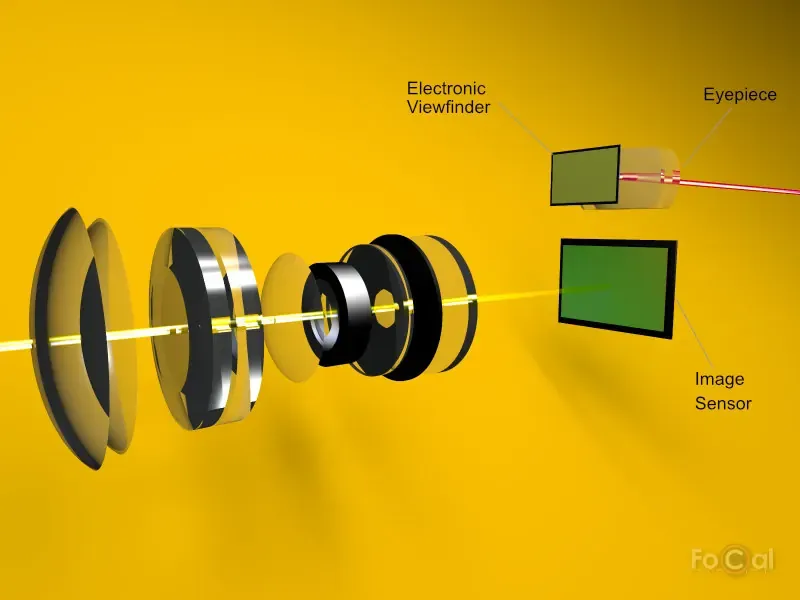
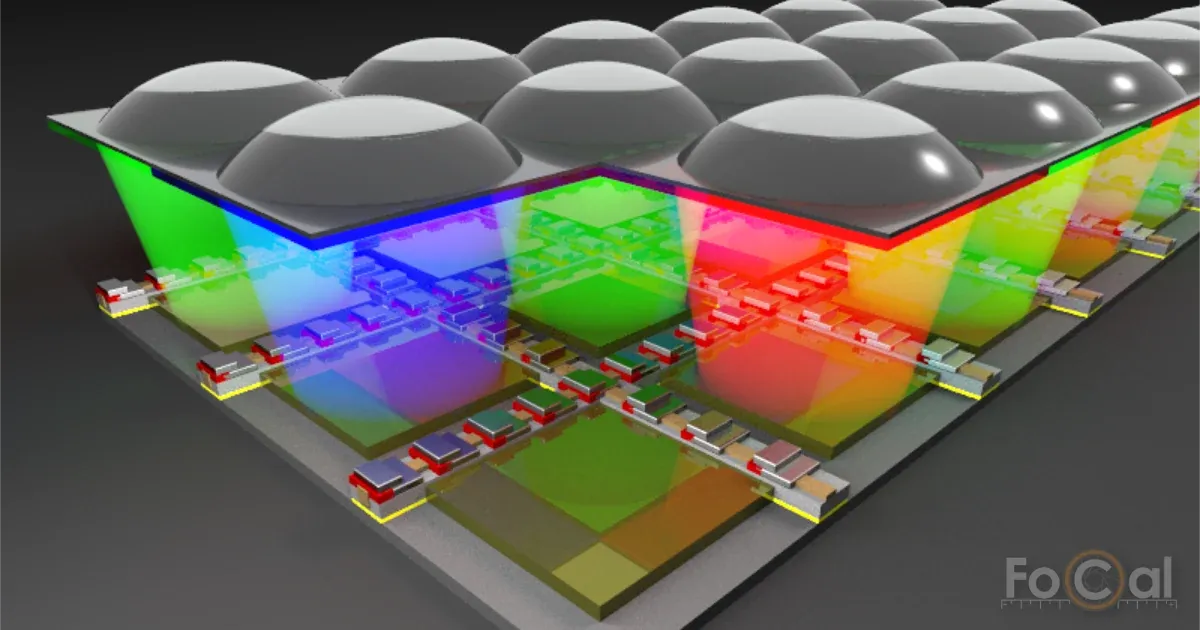
A mirrorless camera focuses with the image sensor itself, so there’s no separate focus sensor to drift out of line. That removes one cause of focus error, not all of them.

On Nikon Z cameras, 1 in 6 native Z lenses (17%) is still noticeably out and benefits from AF Fine-Tune, and for F-mount lenses on an adapter it’s 46%. Things that can still affect focus:

  • Production tolerances in the sensor’s AF pixels and microlenses
  • The optical path: the mount, adapters, lens elements, stabilisation and aberrations
  • Wear in the lens’s focus drive
  • Missing or out-of-date lens calibration data in the camera

And focus is only part of it. For a mirrorless camera, most of the value is in the rest of the Kit Health Check: how consistently it focuses, which aperture is sharpest, how well stabilisation works, and how much dust is on the sensor, tracked month by month in FoCal.

Cut-away diagram of a mirrorless camera and lens: light goes straight to the image sensor, which also does the focusing.
Inside a mirrorless camera: the image sensor does the focusing.
Your camera

Nikon and Canon, in numbers.

FoCal IQ averages over the cameras FoCal can calibrate. Your own camera’s figures are on its camera page.

Nikon

86%of lenses on Nikon DSLRs (F mount) would improve noticeably with calibration.
Significant68.1%
Noticeable17.9%
Minimal9.2%
Significant: 4 or more adjustment units.Noticeable: 2 or 3 units. Minimal: no more than 1 unit.

Source: FoCal IQ, averaged over 24 Nikon DSLRs.

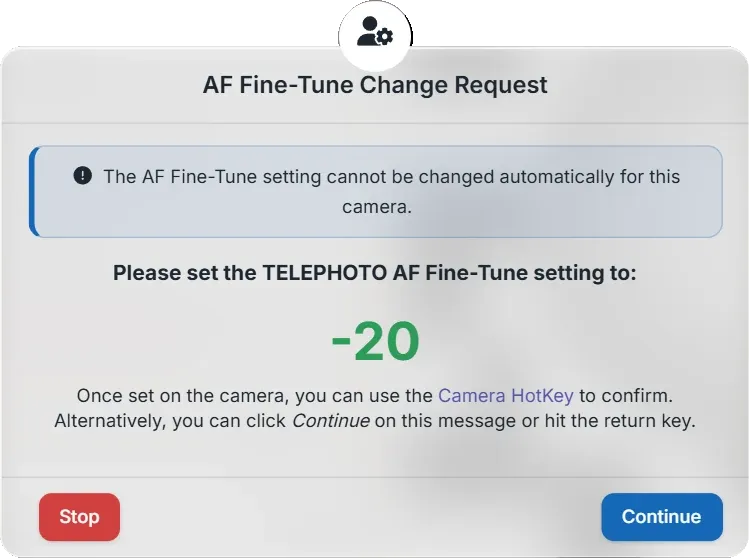
DSLRs and Z cameras: Nikon calls the setting AF Fine-Tune. FoCal calibrates 25 Nikon DSLRs and 14 Z cameras. It measures and works out the value; the camera doesn’t let FoCal change it, so FoCal tells you the number to set and you enter it in the camera’s menu.

Z cameras: 17% of native Z lenses and 46% of adapted F-mount lenses benefit noticeably (FoCal IQ). Nikon owners with FoCal Pro also get Snapshots for camera settings.
Canon

79%of lenses on Canon DSLRs (EF mount) would improve noticeably with calibration.
Significant55.2%
Noticeable24.2%
Minimal13.4%
Significant: 4 or more adjustment units.Noticeable: 2 or 3 units. Minimal: no more than 1 unit.

Source: FoCal IQ, averaged over 19 Canon DSLRs.

DSLRs: Canon calls the setting AF Microadjustment. FoCal calibrates 19 EOS DSLRs, and on 10 of them it changes the setting itself, hands free. Some bodies take separate wide and tele values for zoom lenses, and FoCal works out both.

Mirrorless: Canon’s EOS R cameras don’t have an autofocus adjustment, so there’s nothing to calibrate. FoCal can still control the EOS R, EOS RP, EOS R5 and EOS R6 and run the rest of the Kit Health Check on them with FoCal Pro.

Sony, Pentax and Olympus: FoCal works from image files you take yourself (File Mode), so it can test these cameras and, where the camera has an adjustment, work out a calibration value. See your camera page for exactly what’s possible.

The fix

Connect, check, calibrate.

Put the camera on a tripod, the FoCal target on a wall and connect the camera to your computer. Target Setup checks position, distance, light and camera settings, then Fully Auto calibration takes the shots, measures them and finds the sharpest setting.

Where the camera lets FoCal change the setting, it does it all; where it doesn’t, FoCal shows you the value to set and carries on when you press Continue.

How it works
FoCal 6 AF Fine-Tune Change Request: the camera can’t be changed automatically, so FoCal asks you to set the telephoto AF Fine-Tune to −20, then press Continue or the Camera HotKey.
When the camera can’t be changed automatically, FoCal tells you the values to set.

Bought it second-hand?

With a used DSLR you don’t know how it’s been treated, or what lenses it was tuned for. AF Microadjustment and AF Fine-Tune are exactly what a well-used DSLR needs.

Check and calibrate it with your own lenses as soon as you get it, then keep an eye on it with a regular Kit Health Check.

  • Calibration Check: a quick look at how well it focuses now
  • Fully Auto calibration for each of your lenses
  • Dust Analysis and AF Consistency with FoCal Pro, to see the state of the body
Keep it sharp

Why check your kit regularly.

After calibrating, a regular Kit Health Check tells you when something changes.

Manufacturing tolerance

Cameras and lenses are each adjusted at the factory. Paired up, they may benefit from tuning.

Handling

Everyday use can move the sensors and mounts very slightly. After a hard knock, check it.

Wear

Focus motors and gears wear, and lens elements can shift fractionally, usually gradually.

Teleconverters and adapters

Anything between the camera and lens adds room for misalignment. Adapted lenses benefit most.

Temperature

Heat and cold move mechanical parts in cameras and lenses by tiny amounts.

Confidence

Know your kit is performing before an important shoot, not after.

See what your lenses can really do.

Check FoCal supports your camera, then pick the edition that fits how you shoot.